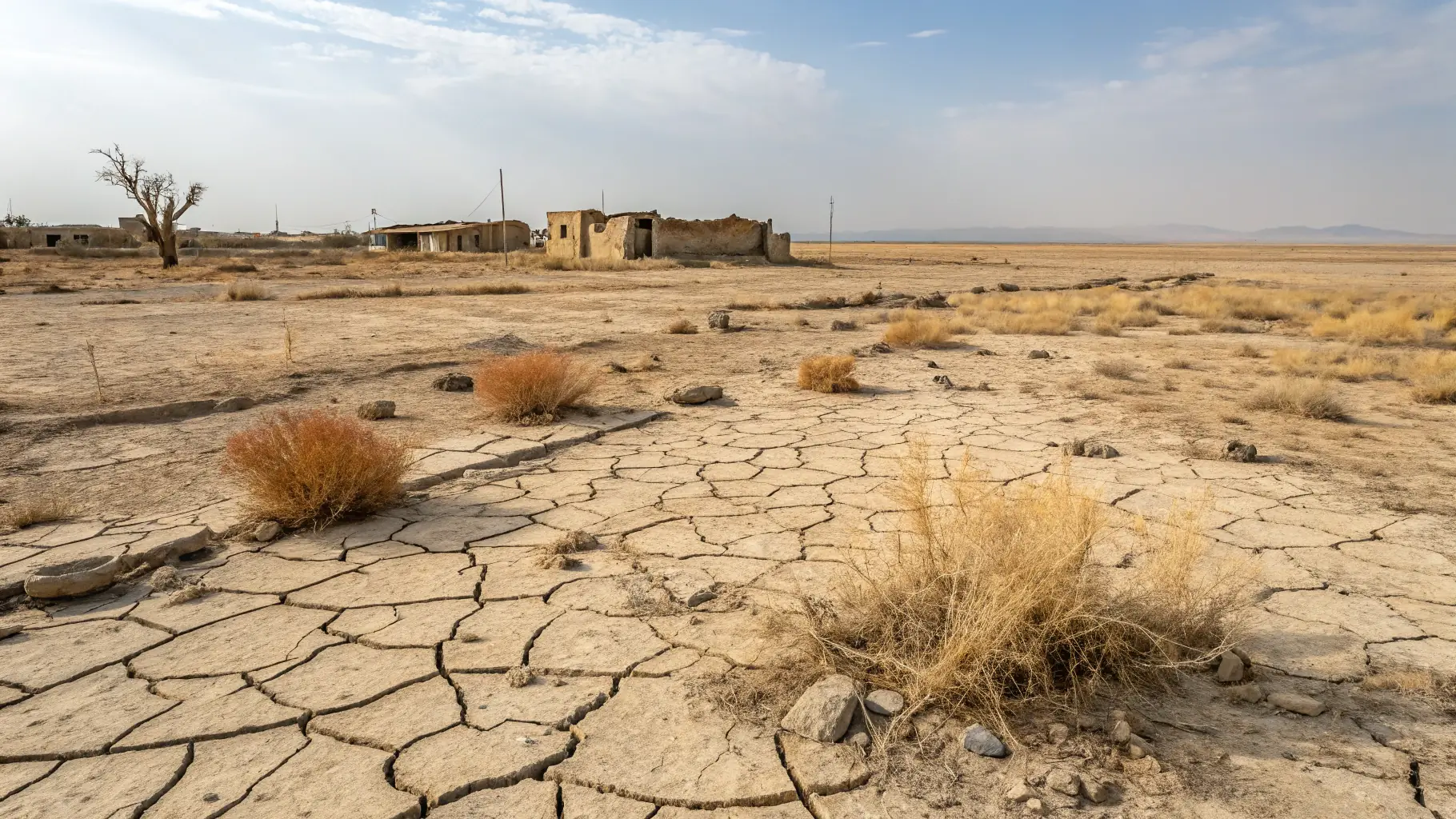
Climate change is having a profound impact on ecosystems worldwide, and Lozère is no exception. Rising temperatures, altered precipitation patterns, and increased frequency of extreme weather events are threatening the region’s unique biodiversity. CEN Lozère is actively monitoring these changes and developing strategies to mitigate their effects. Our work involves conducting research, implementing adaptation measures, and advocating for policies that promote climate resilience. By understanding the specific challenges facing Lozère’s ecosystems, we can develop targeted solutions to protect them.
One of our key research areas is the study of how climate change is affecting the distribution and abundance of plant and animal species. We are tracking changes in species ranges, phenology (the timing of biological events), and population sizes. This data helps us to identify vulnerable species and habitats that require immediate attention. We also use climate models to project future impacts and inform our conservation planning. By combining scientific research with practical conservation measures, we can effectively address the challenges posed by climate change.
In addition to research, CEN Lozère is also implementing adaptation measures to help ecosystems cope with the effects of climate change. This includes restoring degraded habitats, creating wildlife corridors, and promoting sustainable land management practices. We are also working with local communities to develop climate-smart agriculture techniques that reduce greenhouse gas emissions and enhance resilience to drought and other extreme weather events. By taking proactive steps to adapt to climate change, we can protect Lozère’s natural heritage for future generations.